
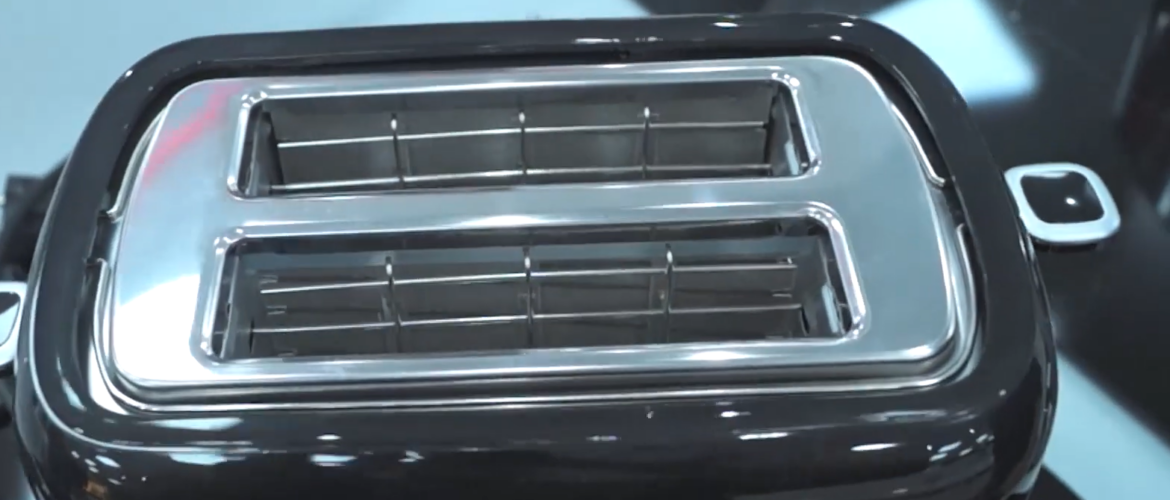
Bread Toaster Temperature – How Hot Does a Toaster Really Get, and Why Does it Matter?
When we talk about bread toaster temperature, most of us quickly realize something important:
we use a toaster almost every day, yet we rarely stop to think about what’s actually happening inside it.
We push the lever down.
We wait.
And then the toast pops up.
But how hot does a toaster really get?
Why does one slice turn out perfectly golden while another ends up burnt?
And does temperature affect flavor, texture, or even safety?
In this article, we’ll walk through all of this together.
Clearly. Simply. Without unnecessary technical jargon.
Just practical, useful information you can actually use in your kitchen.
What Does “Bread Toaster Temperature” Really Mean?
Let’s start with the basics.
A toaster doesn’t work like an oven.
You don’t set it to 350°F or 180°C. Instead, it relies on radiant heat produced by electric heating elements.
So when we talk about bread toaster temperature, we’re usually referring to three things:
The temperature of the heating elements
The surface temperature of the bread
The length of heat exposure
These factors work together to create toast.
And yes, it gets hot — much hotter than most people expect.
How Hot Does a Toaster Get?
Here’s the short answer:
A toaster’s heating elements can reach about 500–600°C (930–1110°F).
That may sound extreme, but keep this in mind:
The bread itself never reaches that temperature
The heat exposure is very brief
Most of the heat is transferred through infrared radiation
Typical temperature ranges
To put it simply:
Heating elements: ~500–600°C
Bread surface (light toast): ~250–285°F
Bread surface (dark toast): ~320–355°F
This difference explains why bread browns instead of instantly burning.
Why Does Bread Brown Instead of Burning Right Away?
This is where a bit of food science helps — without getting overly technical.
The Maillard reaction: the secret behind toast
Once bread reaches about 285°F (140°C), sugars and proteins begin reacting with each other.
This process is known as the Maillard reaction.
It’s responsible for:
That golden-brown color
The familiar toasty aroma
Deeper, richer flavor
This is exactly what we want.
Burning happens later, once moisture is gone and temperatures climb too high.
That’s why bread toaster temperature is carefully balanced to stay in this ideal range.


Why Toaster Settings Aren’t Actual Temperatures
Have you ever noticed that toaster dials are numbered instead of labeled with temperatures?
That’s because:
The dial controls time, not temperature
Heating elements usually operate at full power
More time equals more heat exposure
What the settings really mean
Low setting: Short heating cycle
Medium setting: Moderate exposure
High setting: Maximum exposure time
So when you turn the dial up, you’re not making the toaster hotter —
you’re simply letting it heat the bread for longer.
That distinction matters.
Does the Type of Bread Affect How it Toasts?
Absolutely — and this is where a lot of confusion comes from.
The toaster stays the same.
The bread doesn’t.
Factors that affect browning
Moisture content
Sugar levels
Thickness
Density
In real life, that means:
White bread browns quickly
Whole wheat bread takes longer
Sweet breads or brioche brown very fast
Frozen bread needs extra time
Same toaster.
Same setting.
Completely different results.
What’s The Ideal Bread Temperature for Perfect Toast?
Let’s get practical.
For most people, “perfect toast” happens when the surface of the bread reaches about:
300–330°F (150–165°C)
At this range:
Browning is even
Flavor is rich without bitterness
The outside is crisp while the inside stays soft
Go lower and the toast stays pale.
Go higher and bitterness appears quickly.

Why Does Toast Sometimes Burn on The Outside But Stay Soft Inside?
This happens because toasters heat from the outside inward.
Radiant heat hits the surface first.
Moisture inside the bread slows down internal heating.
If:
The setting is too high
The bread is very thin
The bread contains a lot of sugar
…the surface overheats before the inside dries out.
That’s when we get burnt edges and a soft center.
Is Toaster Temperature Dangerous?
Used properly, no.
Used carelessly, it can be.
A few safety facts worth knowing
Heating elements glow red-hot
Crumbs can ignite at high temperatures
Overloaded toasters may overheat
That’s why it’s important to:
Never cover a toaster
Avoid toasting buttered bread directly
Clean out crumbs regularly
It’s not about fear — just common sense.
Can Toaster Temperature Affect Health?
This question comes up often.
When bread is toasted too dark, it can form acrylamide, a compound created at very high temperatures.
The practical takeaway is simple:
Light to medium toast: Minimal concern
Very dark or burnt toast: Best avoided
Once again, understanding bread toaster temperature helps us make smarter choices.
Why Some Toasters Brown Unevenly
This usually isn’t your fault.
Common reasons include:
Uneven heating elements
Poor bread positioning
Inconsistent power supply
Crumb buildup blocking heat
If one side always browns faster, it’s a heat distribution issue, not user error.
How to Get Consistent Results Every Time
Let’s keep this practical.
Our best tips
Stick with the same type of bread
Start with a lower setting and adjust upward
Toast frozen bread separately
Let the toaster cool slightly between batches
Clean out crumbs about once a month
Small habits make a noticeable difference.
How Toaster Ovens Differ From Pop-up Toasters
This is worth mentioning.
A toaster oven:
Operates at lower temperatures
Heats more slowly
Often uses convection
Typical toaster oven temperatures range from:
300–450°F (150–230°C)
Both appliances toast bread, but the heating mechanics are completely different.

Common Myths About Bread Toaster Temperature
Let’s clear up a few misconceptions.
Myth: Turning the dial makes the toaster hotter
→ It only increases heating time
Myth: Darker toast always tastes better
→ Bitterness increases quickly
Myth: All toasters heat the same
→ Build quality makes a big difference
Why Understanding Bread Toaster Temperature Actually Matters
At first glance, this topic may seem trivial.
But once we understand it, we:
Waste less bread
Get better flavor
Achieve more consistent results
Reduce burning and smoke
Use our toaster more safely
Not bad for something we use almost every morning.
Conclusion
Bread toaster temperature isn’t about precise numbers on a display.
It’s about balance.
Time.
Heat.
Bread type.
Once we understand how these elements work together, toast stops being a gamble and becomes predictable.
And honestly?
That perfectly crisp, golden, aromatic slice is absolutely worth it.
