
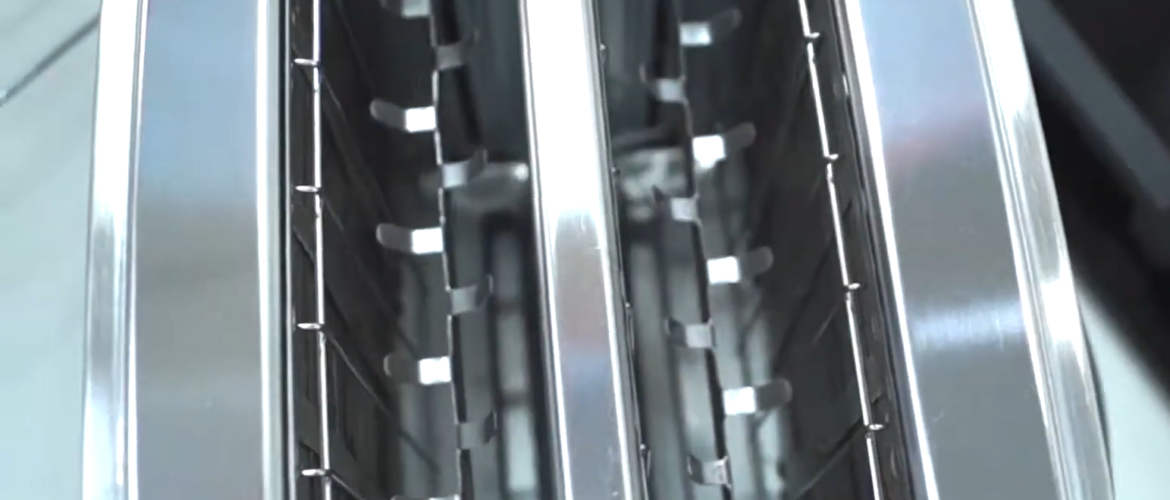
How Has the Toaster Changed Over Time?
If we think about everyday kitchen appliances, the toaster rarely gets the spotlight. Yet it’s one of those quiet inventions that has evolved dramatically over time. From dangerous, half-working electrical experiments to smart, app-connected devices, the toaster’s journey is surprisingly rich.
In this article, we’ll walk through how the toaster has changed over time, step by step. We’ll keep things simple, practical, and human—just like a good blog should. And yes, we’ll sprinkle in some bold highlights to make the key moments stand out.
The Early Days: Toasting Before Electricity
Long before electricity entered our kitchens, people still loved toasted bread.
Back then, toasting was done over open flames, fireplaces, or cast-iron stoves. Bread was placed on long forks or metal frames and held close to the heat. This method worked, but it came with a few obvious problems.
Toast burned easily.
You had to stand there the entire time.
One distracted moment meant charcoal instead of breakfast.
Still, this was the only option for centuries, and people accepted it as part of daily life.
Everything changed once electricity entered the home.
The First Electric Toasters: A Risky Innovation
The earliest electric toasters appeared in the early 1900s. One of the first commercially successful models was introduced by General Electric.
These early electric toasters were incredibly basic.
They toasted only one side of the bread
You had to manually flip the slice
Exposed heating elements made them fire hazards
Despite their flaws, they were revolutionary. For the first time, heat could be controlled without flames. That alone made electric toasters appealing, even if they weren’t very user-friendly.
Convenience had entered the kitchen—but it was still rough around the edges.


The Pop-Up Toaster: A True Game Changer
Everything changed in the 1920s with the invention of the automatic pop-up toaster.
This innovation introduced several features we now take for granted:
Bread toasted on both sides
A timer mechanism
Automatic ejection when toasting was done
No more flipping. No more guessing. No more burnt toast because you forgot about it.
By the 1930s and 1940s, pop-up toasters became increasingly common in households across Europe and North America. Toasting bread was no longer a chore—it was fast, repeatable, and reliable.
This was the moment the toaster truly became a household essential.
Mid-20th Century: Design Meets Function
After World War II, kitchens changed—and so did toasters.
Manufacturers started focusing not only on function, but also on design and durability. Toasters became sturdier, heavier, and more stylish. Chrome finishes, rounded corners, and bold shapes were everywhere.
One standout innovation came from Sunbeam, which introduced the Radiant Control Toaster.
What made it special?
Instead of using time, it used heat sensors to determine when toast was done. The toaster would lower and raise the bread automatically, without levers.
It didn’t just toast bread—it reacted to it.
This era marked the beginning of smarter, more intuitive appliances.
The Rise of Plastic and Mass Production
From the 1970s onward, manufacturing priorities shifted.
Metal gave way to plastic exteriors, making toasters lighter and cheaper. Mass production meant almost every household could afford one. At the same time, safety regulations improved dramatically.
New features became standard:
Adjustable browning controls
Cancel buttons
Cool-touch housings
Crumb trays for easy cleaning
Toasters were no longer luxury items. They were basic kitchen tools, expected to work quietly in the background.
Reliability replaced novelty.

Specialty Toasters: More Than Just Bread
As eating habits changed, so did expectations.
People wanted to toast more than sliced bread. This led to the development of specialty toasters, including:
Bagel toasters (toasting only one side)
Extra-wide slots for artisan bread
Toaster ovens that could bake, broil, and reheat
Conveyor toasters for commercial kitchens
Toasters adapted to lifestyle changes, from quick breakfasts to brunch culture and café-style kitchens at home.
The toaster stopped being one-size-fits-all.
The Modern Toaster: Smart, Precise, and Stylish
Today’s toasters are more advanced than ever.
Modern models offer features that early inventors could never have imagined:
Digital displays
Precise temperature control
Defrost and reheat modes
Memory settings for different users
Touchscreens and minimalist interfaces
Some high-end models even integrate sensors that monitor moisture content and bread thickness, adjusting heat automatically.
Yes, there are now smart toasters that connect to apps. While that may sound excessive, it shows just how far this humble appliance has come.
Retro Design Makes a Comeback
Interestingly, while technology has moved forward, design has often moved backward.
Many modern toasters intentionally mimic the look of 1950s models—rounded edges, bold colors, chrome accents. Why?
Because nostalgia sells.
People want appliances that feel warm, familiar, and personal. A toaster isn’t just a machine—it’s part of our morning ritual.
Old looks, new technology.

Safety Improvements Over Time
One of the most important changes in toaster history isn’t visible at all: safety.
Early toasters were genuine fire hazards. Today, safety features are built in by default:
Automatic shut-off if bread jams
Insulated wiring
Heat-resistant materials
Stable bases to prevent tipping
These improvements happened gradually, driven by stricter regulations and better engineering.
As a result, modern toasters are among the safest small appliances in the kitchen.
Environmental and Energy Considerations
In recent years, sustainability has entered the conversation.
Manufacturers are now thinking about:
Energy efficiency
Recyclable materials
Longer product lifespans
While toasters are still relatively simple devices, there’s growing awareness that even small appliances can make a difference when used by millions of households.
The future toaster may be greener as well as smarter.

What the Toaster Tells Us About Technology
Looking back, the evolution of the toaster mirrors broader technological trends.
Early experimentation
Rapid innovation
Mass adoption
Design refinement
Smart integration
It shows how even the simplest tools can evolve when convenience, safety, and user experience are prioritized.
And perhaps most importantly, it reminds us that progress doesn’t always need to be flashy. Sometimes, it’s about making everyday life just a little bit easier.
Conclusion
A small appliance with a big story….
The toaster has come a long way—from open flames to intelligent heat sensors, from manual flipping to automated precision.
It may sit quietly on the kitchen counter, but behind it lies more than a century of innovation, trial and error, and clever problem-solving.
Next time we push that lever down, it’s worth remembering:
we’re using a piece of living history—one slice at a time.
