
Who Invented Toaster Strudel? The Story Behind a Breakfast Classic
If you grew up in the United States, chances are good that Toaster Strudel was part of your morning routine at some point.
Warm pastry. Sweet filling. That little packet of icing you got to squeeze on yourself.
It felt special. Almost fancy.
But it also raises a surprisingly common question:
Who invented Toaster Strudel—and why did it become such a big deal?
Let’s take a closer look at how this iconic breakfast treat came to be, who was behind it, and why it managed to stand out in a very crowded freezer aisle.
What Exactly Is a Toaster Strudel?
Before we talk about who invented it, let’s make sure we’re all talking about the same thing.
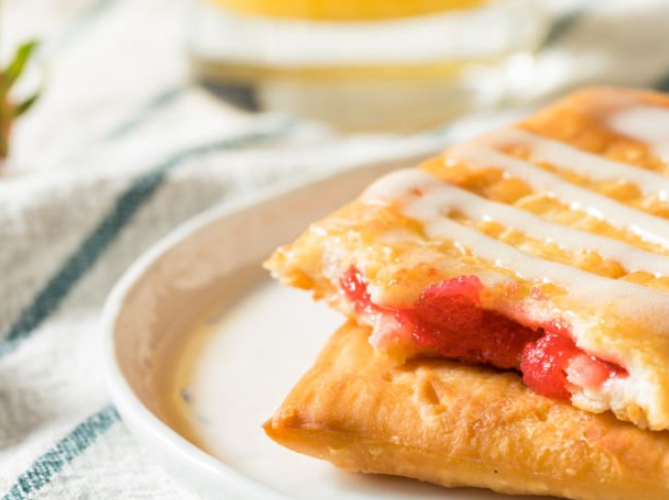
A Toaster Strudel is a frozen, filled pastry designed to be heated in a toaster. Inside, there’s a sweet fruit or cream filling. On the outside, a flaky, layered crust. And on top—once it’s toasted—that signature icing you apply yourself.
That last part matters more than it seems.
Unlike many ready-to-eat breakfast pastries, Toaster Strudel was designed to feel interactive. You didn’t just eat it. You finished it.


Who Invented Toaster Strudel?
Here’s the clear answer:
Toaster Strudel was invented by a product development team at Pillsbury.
It wasn’t the brainchild of a single inventor working alone in a lab. Instead, it came from a corporate food innovation team focused on creating a new kind of convenient breakfast pastry.
Their goal was simple—but ambitious:
Create something better than what already existed.
And at the time, what existed was strong competition.
Why Was There a Need for a New Breakfast Pastry?
To understand why Toaster Strudel was invented, we need to step back and look at American breakfast culture.
For decades, families had been moving toward:
Faster mornings
Less cooking
More convenience
Frozen waffles, boxed cereal, and shelf-stable pastries were everywhere. Parents wanted speed. Kids wanted flavor.
But there was a gap.
Most toaster pastries were dry, fully sealed, and shelf-stable. Convenient, yes—but not exactly exciting.
Pillsbury’s team saw an opportunity to offer something:
Warmer
Flakier
More indulgent
Closer to a real bakery pastry
The Big Idea That Changed Everything
The real innovation behind Toaster Strudel wasn’t just the filling or the crust.
It was frozen storage combined with toaster preparation.
By keeping the product frozen instead of shelf-stable, the team could:
Use a flakier dough
Add more generous fillings
Avoid the dryness common in shelf products
And then came the genius touch.
Separate icing.
Instead of baking the frosting into the pastry, they included it in a small packet. That turned breakfast into an experience—and gave kids a sense of control.
Toaster Strudel vs. Pop-Tarts: A Quiet Rivalry
We can’t talk about Toaster Strudel without mentioning its biggest rival.
Pop-Tarts already dominated the toaster pastry market. They were:
Easy to store
Shelf-stable
Familiar
But they were also limited by that shelf stability.
Toaster Strudel positioned itself differently:
Frozen instead of boxed
Softer, flakier crust
More “homemade” feel
It wasn’t trying to replace Pop-Tarts.
It was trying to upgrade the category.
When Did Toaster Strudel First Appear?
Toaster Strudel entered the market in the late 20th century, during a time when frozen convenience foods were rapidly evolving.
Consumers were becoming more open to:
Freezer-based meals
Heat-and-serve products
Premium convenience foods
The timing was just right. The product felt new, but not strange. Indulgent, but still practical.
How Marketing Helped Make It a Household Name
A good product needs good marketing—and Toaster Strudel had plenty of it.
The ads focused on:
Kids decorating their own pastries
Parents appreciating the quality
The idea that this was “better” than ordinary toaster food
The message was subtle but clear:
This isn’t just fast food. This is a treat.
That positioning helped Toaster Strudel feel special without feeling complicated.
How Toaster Strudel Has Changed Over Time
Over the years, the product has evolved.
We’ve seen:
New flavors
Seasonal variations
Limited-edition releases
Some things have changed.
Others haven’t.
The core idea—a warm, flaky pastry finished by the person eating it—has stayed exactly the same. And that consistency has helped the brand last.

Why People Still Ask Who Invented Toaster Strudel
Most people don’t ask who invented cereal or frozen waffles.
So why this question?
Because Toaster Strudel feels intentional.
It doesn’t feel accidental. It feels designed—carefully and thoughtfully. People sense that there was a moment when someone said, “We can do better than this.”
And they did.
Was It Really an Invention—or an Improvement?
This is an important distinction.
Toaster Strudel didn’t invent the idea of a toaster pastry.
What it did was rethink the format.
By changing storage, texture, and interaction, it created something that felt new—even though the concept itself wasn’t.
In many ways, that’s the most realistic kind of invention.
Conclusion
A Simple Idea Done Right…
So, who invented Toaster Strudel?
A dedicated development team at Pillsbury, driven by the idea that breakfast could be:
Faster
Better
More enjoyable
They didn’t reinvent breakfast.
They refined it.
And sometimes, that’s exactly how classics are born.
