
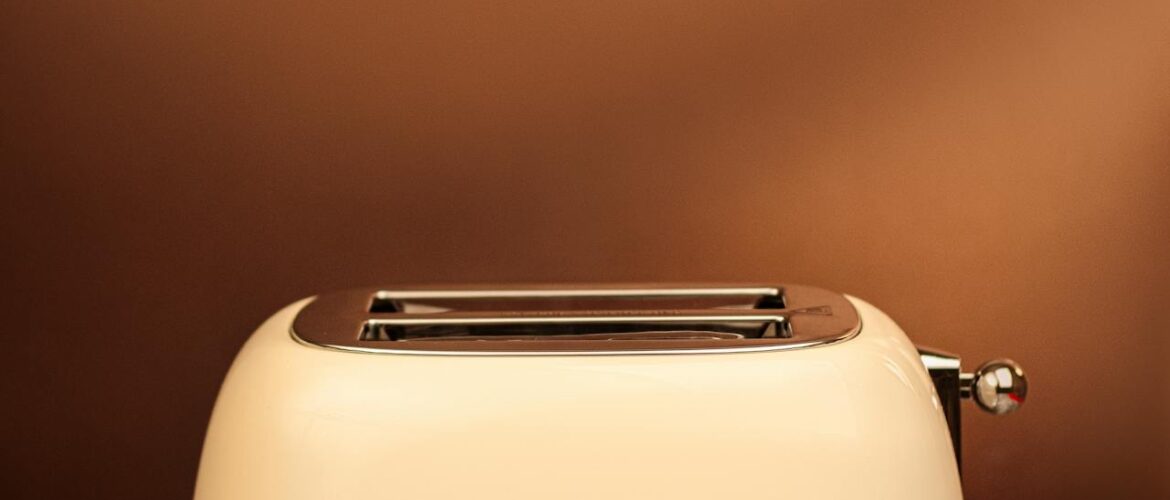
When Were Toasters Invented? The Story Behind a Breakfast Icon
We use them half asleep.
We push the lever, wait a minute or two, and breakfast appears.
Simple. Automatic. Normal.
But if we pause for a second, a fun question pops up:
When were toasters invented, and how did we end up with this little machine on our counter?
The answer is older—and more interesting—than most of us expect. What started as a risky, experimental electrical device slowly turned into one of the most familiar appliances in modern kitchens.
Let’s go back to where it all began.
The Quick Answer
If we want the headline version:
👉 The first practical electric toaster appeared in the early 1900s.
👉 Automatic pop-up models arrived a bit later.
👉 Mass popularity followed once homes had reliable electricity and pre-sliced bread.
Now let’s unpack how we got there.
Life Before the Toaster
Long before electricity, people still loved toasted bread.
They just had to work a lot harder for it.
Bread was toasted:
Over open flames
On long metal forks
Using wire frames placed near a fire
And yes—we had to stand there and watch it.
If we walked away, it burned.
If we didn’t turn it, only one side toasted.
If we misjudged the heat, breakfast was ruined.
Convenient? Not exactly.


The Birth of the Electric Toaster
The real change came when electricity entered the home.
One of the first companies to create a workable electric toaster was General Electric, which introduced an early model in the early twentieth century.
It was revolutionary.
For the first time, we could toast bread without fire.
But it wasn’t perfect.
Early Toasters Were… Primitive
These first machines had some serious limitations.
We still had to:
Flip the bread manually
Watch carefully
Unplug or turn off the heat ourselves
No timers.
No pop-up.
No automatic shutoff.
In other words, it was electric—but still very hands-on.
The Big Breakthrough: Automatic Pop-Up Toast
Everything changed when inventors figured out timing and release mechanisms.
The game-changer came from Charles Strite, who developed one of the first successful automatic pop-up systems.
Suddenly, we could:
Insert bread
Set a level
Walk away
And it would pop up on its own.
No burning.
No babysitting.
Morning routines were never the same again.

Why Toasters Became Popular So Fast
Technology helped—but culture played a huge role too.
Electricity was spreading rapidly through cities and towns. Kitchens were modernizing. And perhaps most importantly, sliced bread became widely available.
Pre-cut slices meant uniform thickness, which made automatic toasting far more reliable.
The toaster and sliced bread were basically perfect partners.
From Luxury to Everyday Essential
At first, toasters were exciting and new.
Eventually, they became normal.
Manufacturers improved:
Heating elements
Safety insulation
Browning control
Reliability
Prices became more affordable, and more families added them to their kitchens.
Before long, it felt strange not to have one.
Funny and Surprising Facts from Early Toasters
Looking back, some early designs were wild.
Inventors experimented with:
Exposed wires
Open frames
Odd shapes
Complicated levers
Safety standards were very different from what we expect today.
Let’s just say we wouldn’t want to test those models in our kitchens now.
How Modern Toasters Compare
Today’s machines are incredibly refined compared to their ancestors.
We now enjoy:
Automatic shutoff
Cool-touch exteriors
Even heating
Frozen and bagel settings
Crumb trays for easy cleaning
What once required constant attention now works almost effortlessly.
Did One Person Truly “Invent” the Toaster?
Not exactly.
Like many household technologies, the toaster evolved through contributions from multiple inventors and companies.
Some improved materials.
Others refined heating wires.
And some perfected timing systems.
Innovation happened step by step.

When Did Toasters Become Common in Most Homes?
Once electrical infrastructure became standard and prices dropped, adoption grew quickly.
By the mid-20th century, the toaster was no longer a novelty. It was simply part of everyday life.
Just like today.
Why This Little Appliance Still Matters
It might seem small, but the toaster represents something bigger.
It shows how technology can:
Save time
Reduce effort
Improve consistency
Fit smoothly into daily routines
And that’s probably why it has lasted for more than a century.
Conclusion
A Simple Idea That Changed Mornings…
So, when were toasters invented?
In the early days of home electricity.
What began as a cautious experiment with wires and heat turned into a dependable kitchen companion that millions of us use every morning without a second thought.
Not bad for a device built to brown a slice of bread.
