Oven Toaster Temperature – How Hot Does It Really Get and How to Use It Properly?
When we talk about oven toaster temperature, most of us think it’s simple. We turn the dial, put the food inside, and wait.
But in reality, toaster ovens work a bit differently than regular ovens, and temperature control is one of the most misunderstood parts.
We’ve all been there.
Burnt toast on the outside, cold in the middle. Pizza that looks ready but isn’t. Cookies that spread too fast or dry out.
In this article, we’ll walk through how toaster oven temperatures really work, what the numbers actually mean, and how we can use them more confidently in everyday cooking. No over-technical explanations. Just practical, real-life guidance.
Why Oven Toaster Temperature Matters More Than We Think
A toaster oven is smaller than a full-sized oven.
That sounds obvious, but it changes everything.
Because the cooking space is compact, heat builds up faster, circulates differently, and reacts more strongly to small temperature changes. A difference of just 10–20 degrees can mean the difference between perfectly cooked food and something that needs to be scraped off the tray.
That’s why understanding temperature isn’t optional.
It’s essential if we want consistent results.
Typical Oven Toaster Temperature Range
Most toaster ovens operate within a familiar range, but the behavior is not always identical to a conventional oven.
Standard temperature range:
150°F–450°F (65°C–230°C)
Some models go slightly higher, but in everyday cooking, this is where we live.
Here’s what that range usually looks like in practice:
Low heat (150–250°F / 65–120°C)
Reheating leftovers, warming bread, keeping food warm.Medium heat (300–375°F / 150–190°C)
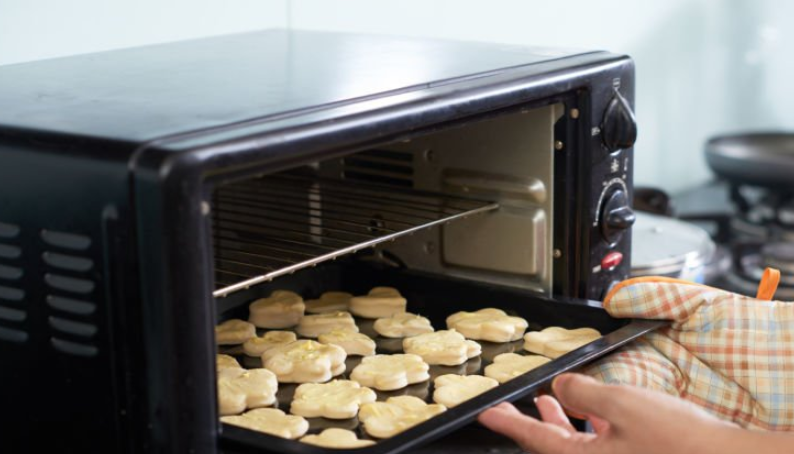
Baking cookies, muffins, casseroles, frozen foods.High heat (400–450°F / 205–230°C)
Toasting, roasting vegetables, crisping pizza.
Sounds straightforward.
But here’s the catch.
The Dial Doesn’t Always Tell the Truth
Many toaster ovens have temperature dials, not digital displays. And those dials?
They’re estimates.
Even digital toaster ovens can be off by 10–30°F (5–15°C). That’s normal. Not ideal, but normal.
That’s why we recommend one simple trick:
Use an oven thermometer.
It’s cheap, easy to use, and immediately shows us what’s really happening inside the oven toaster. Once we see the real temperature, cooking becomes much more predictable.

Preheating: Do We Really Need It?
Short answer?
Yes. Most of the time.
Toaster ovens heat up quickly, but that doesn’t mean they’re ready instantly.
If we’re:
baking,
roasting,
or cooking frozen foods,
preheating matters.
Skipping it often leads to uneven cooking. The outside cooks first while the inside lags behind.
For simple toasting, preheating isn’t necessary.
For everything else, giving it 5–10 minutes makes a noticeable difference.
Oven Toaster Temperature vs. Regular Oven Temperature
This is where many mistakes happen.
A toaster oven set to 375°F does not behave exactly like a regular oven at 375°F.
Because the heating elements are closer to the food:
Food cooks faster
Surfaces brown more aggressively
Moisture evaporates more quickly
Our general rule:
👉 Reduce the temperature by 15–25°F (8–15°C) compared to a standard oven recipe.
It’s a small adjustment, but it prevents overcooking.
Best Temperature Settings for Common Foods
Let’s make this practical.
Toast and Bread
400–450°F (205–230°C)
Keep an eye on it. Browning happens fast.
Pizza (Fresh or Frozen)
375–400°F (190–205°C)
Lower rack position helps crisp the bottom.
Cookies and Pastries
325–350°F (165–175°C)
Slightly lower than a regular oven for even baking.
Roasted Vegetables
400°F (205°C)
Toss with oil and spread evenly for best results.
Reheating Leftovers
300–325°F (150–165°C)
Cover loosely to prevent drying out.
These settings give us consistency without constant guessing.
Why Food Sometimes Burns on Top
This is one of the most common toaster oven complaints.
The reason is simple:
Top heating elements are very close to the food.
To fix this:
Use the middle or lower rack
Reduce temperature slightly
Cover food loosely with foil if needed
We don’t need fancy tricks. Just awareness.
Convection Setting: What Changes?
Many toaster ovens come with a convection fan. When it’s on, hot air circulates more evenly.
That means:
Faster cooking
Better browning
More even results
But it also means we should adjust.
When using convection:
Reduce temperature by 20–25°F (10–15°C)
Check food earlier than usual
Once we get used to it, convection becomes a huge advantage.
How to Avoid Temperature Guessing Altogether
If we want reliable results every time, here’s what actually works:
Use an oven thermometer
Preheat when baking
Adjust temperature slightly downward
Watch the food, not just the timer
Learn how your specific toaster oven behaves
After a few uses, patterns emerge.
We start knowing instinctively when to lower heat or shorten time.

Common Oven Toaster Temperature Mistakes
We’ve all made them.
Setting the temperature too high “to save time”
Skipping preheating
Using the top rack for everything
Trusting the dial blindly
Walking away for “just a minute”
Small ovens react quickly.
Respecting that makes cooking calmer and more enjoyable.
Conclusion
Mastering Oven Toaster Temperature
Understanding oven toaster temperature isn’t about memorizing numbers.
It’s about learning how heat behaves in a small space.
Once we stop treating the toaster oven like a mini version of a regular oven, everything clicks.
Food cooks better.
Results become consistent.
And suddenly, the toaster oven turns into one of the most reliable tools in the kitchen.
And honestly?
Once we get comfortable with temperature control, we start using it more than the big oven anyway.
