
Parts of a Toaster: A Simple Guide to How Your Toaster Really Works
Most of us use a toaster almost every day. We drop in a slice of bread, push the lever down, wait a moment, and breakfast is ready. Easy.
But have you ever stopped to think about what’s actually happening inside that small kitchen appliance?
Understanding the parts of a toaster isn’t just for engineers or repair technicians. When we know how a toaster works and what its main components are, we use it more confidently, clean it more effectively, and even make better choices when buying a new one.
In this article, we’ll break everything down in a simple, everyday way. No complicated technical language. Just clear explanations that actually make sense.
Why Knowing the Parts of a Toaster Matters
At first glance, a toaster seems like one of the simplest appliances in the kitchen. But inside that compact body is a surprisingly smart system of parts working together.
Knowing the basic toaster parts helps us:
Understand why bread sometimes burns
Figure out why the lever won’t stay down
Clean the toaster properly and safely
Choose the right model for our needs
And honestly, it’s just interesting to know how everyday things work.
The Main Parts of a Toaster – A Quick Overview
Before we dive into details, let’s look at the core components found in most standard pop-up toasters:
Heating elements
Bread slots
Lever (carriage system)
Browning control
Timer or thermostat
Crumb tray
Outer casing
Power cord and plug
Some modern toasters also include extra features, but these are the essentials.

Heating Elements – The Heart of the Toaster
If we had to name the most important part of a toaster, this would be it.
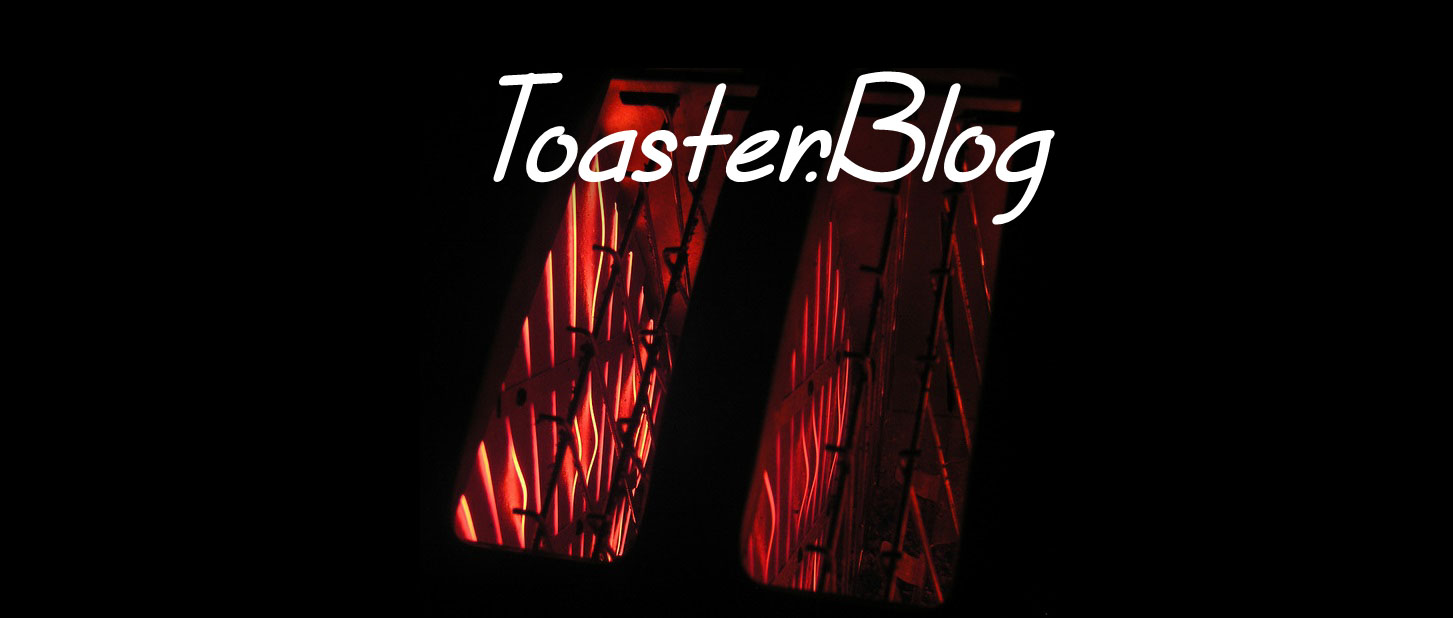
Heating elements are thin metal wires that heat up when electricity flows through them. These wires glow red-hot and transfer heat directly to the bread.
This is how the toasting actually happens.
A few key things to know:
Heating elements are usually located on both sides of each bread slot
They toast the bread evenly from the inside out
If one element stops working, toast may brown unevenly
When a toaster starts producing pale toast on one side, the heating elements are often the reason.
Bread Slots – Where the Toasting Begins
The bread slots are the vertical openings where we place the bread. Simple, right?
Not exactly.
Slot size and shape make a big difference:
Narrow slots work best for regular sandwich bread
Wide slots are better for bagels, artisan bread, or thick slices
Some toasters automatically center the bread for even browning
If toast sticks out or gets burned on one side, the bread slots may not be designed for that type of bread.
Lever and Carriage System – What Happens When We Push It Down
That familiar click when we press the lever is more important than it seems.
The lever, also called the carriage system, does three things at once:
Lowers the bread into position
Activates the heating elements
Locks the bread in place during toasting
If the lever won’t stay down, it usually means:
The toaster isn’t plugged in
Crumbs are blocking the mechanism
There’s an internal electrical issue
This part combines mechanical movement and electrical control, which makes it one of the most sensitive toaster components.

Browning Control – Choosing How Toasty We Want It
We’ve all seen the dial with numbers, usually from 1 to 6.
This is the browning control, and it determines how long the toaster heats the bread.
Important detail:
➡️ It doesn’t control temperature — it controls time.
Higher settings mean the bread stays exposed to heat longer, not that the toaster gets hotter.
Different brands handle this slightly differently, but the goal is always the same: consistent browning.
Timer and Thermostat – The Toaster’s Brain
Behind the scenes, the toaster relies on either a timer, a thermostat, or sometimes both.
A timer measures how long the heating elements stay on
A thermostat reacts to temperature changes inside the toaster
Together, these parts decide when the toast pops up.
Higher-end toasters often toast more evenly because their internal controls are more precise.
Crumb Tray – The Most Ignored Part of a Toaster
Let’s be honest.
Most of us forget about the crumb tray.
This small removable tray sits at the bottom of the toaster and catches crumbs that fall during use.
Why it matters:
Prevents burning smells
Reduces fire risk
Keeps the toaster working efficiently
Regular cleaning of the crumb tray is one of the easiest ways to extend the life of a toaster.

Outer Casing – More Than Just Looks
The outer casing isn’t only about design.
It serves several important purposes:
Protects us from heat
Holds all internal parts in place
Provides insulation and safety
Materials vary:
Plastic (lightweight and affordable)
Metal (durable and stylish)
Stainless steel (modern and heat-resistant)
A good casing helps keep the toaster cool to the touch while it’s working.
Power Cord and Plug – Easy to Forget, Easy to Damage
The power cord and plug supply electricity to the toaster, but they’re often overlooked.
Common issues include:
Frayed cords
Loose plugs
Heat damage near the base
Any visible damage here is a serious safety concern. A toaster with a damaged cord should never be used.
Extra Parts and Features in Modern Toasters
Many modern toasters include additional components designed for convenience.
Popular features include:
Bagel function (toasts one side more than the other)
Defrost button (for frozen bread)
Cancel button (stops toasting immediately)
Digital display
Automatic lift
These features rely on extra internal parts, but the basic toaster structure remains the same.

Common Problems Related to Toaster Parts
Understanding toaster parts makes troubleshooting easier.
Some common issues:
Uneven toasting → heating elements
Lever won’t stay down → carriage system
Burning smell → crumb tray
No power → cord or internal fuse
In many cases, simple cleaning solves the problem.
How Knowing the Parts of a Toaster Helps in Everyday Life
When we understand how a toaster works:
We clean it properly
We avoid misuse
We recognize early signs of problems
We shop smarter
It turns a basic appliance into something we actually understand and control.
Conclusion
A Toaster Is More Complex Than It Looks…
At first glance, a toaster is just a box that makes bread crispy.
But when we look closer, we see a well-designed system of carefully coordinated parts, all working together to give us the perfect slice of toast.
Knowing the parts of a toaster doesn’t make us technicians.
It just makes us better users.
And honestly? That’s always a good thing.