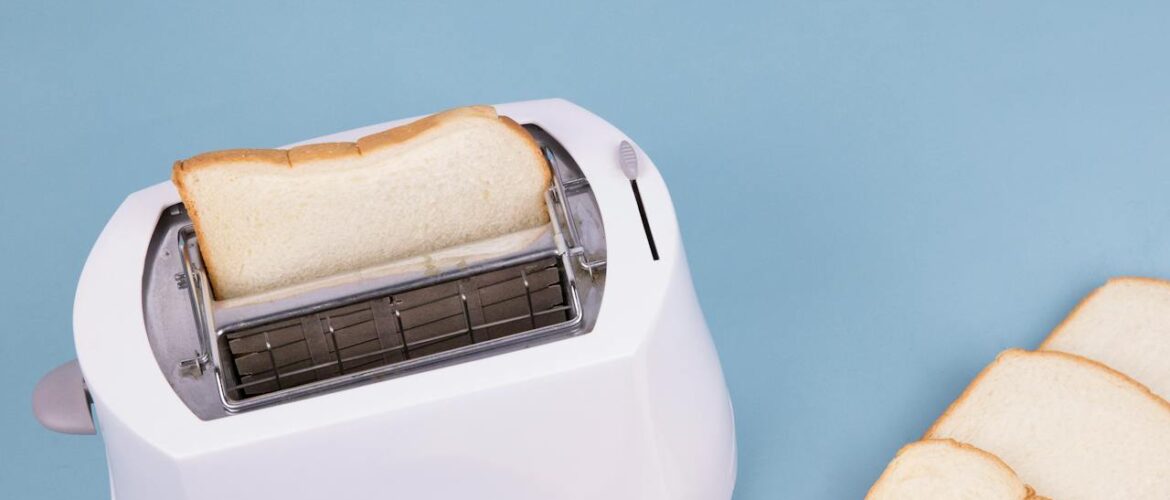
Toaster Temperature: How Hot Does a Toaster Really Get?
We turn a dial.
We push the lever.
Toast happens.
Simple, right?
But at some point, curiosity kicks in and we start wondering:
What is the actual toaster temperature?
How hot does it really get inside?
And what do those numbers on the browning dial even mean?
Unlike ovens, toasters don’t display degrees. They give us shades of brown instead.
Let’s unpack how that works.
Is There a Real Temperature Inside a Toaster?
Yes. Absolutely.
Toasters generate serious heat—much hotter than many people expect. Heating elements glow red or orange, which already tells us we’re working at high temperatures.
But here’s the twist:
👉 A toaster doesn’t control temperature directly.
👉 It controls how long heat is applied.
So instead of choosing degrees, we’re choosing time.
How Hot Can a Toaster Get?
While exact numbers vary by model, the heating elements inside many toasters can reach temperatures in the hundreds of degrees Fahrenheit, sometimes far higher at the wire surface.
That intense heat is what allows bread to brown quickly.
The air inside might not be evenly that hot, but the radiant energy hitting the bread is powerful.
Why Don’t Toasters Show Degrees Like Ovens?
Because they’re designed for a different goal.
An oven tries to maintain a stable environment.
A toaster aims to produce a specific level of browning.
That’s about exposure time, not air temperature.
Think:
Oven = climate control
Toaster = timed blast of heat
What the Browning Numbers Actually Mean
Most dials show something like 1 to 5, or maybe 1 to 7.
It’s easy to assume higher numbers mean higher temperatures.
They don’t.
They usually mean:
➡️ the heating elements stay on longer.
Longer heat = darker toast.
Why the Same Setting Can Produce Different Results
This part surprises many people.
Even if we use the same dial number, toast can come out differently depending on:
Bread Thickness
Thicker slices need more energy.
Moisture Content
Fresh bread contains more water, so it takes longer to brown.
Starting Temperature
Frozen bread requires additional time.
Type of Bread
Whole grain, white, sourdough—they all react differently.
The toaster doesn’t know any of this. It just runs the clock.
Why the Second Batch Is Often Darker
Ever notice that the next round browns faster?
That’s because the toaster is already warm. Residual heat builds up, meaning bread gets more total exposure even on the same setting.
So we may need to dial it down slightly for repeat runs.
Is a Toaster Hotter Than an Oven?
In terms of direct radiant heat at the element surface, it can be.
But ovens heat food more evenly because they surround it with controlled air temperature.
Toasters are intense and fast.
Ovens are steady and gradual.
Can We Measure Toaster Temperature?
Technically, yes.
But practically? Not very well.
Why?
Heat is uneven
Elements cycle
Radiant energy matters more than air
Thermometers don’t capture the full picture.
That’s why manufacturers focus on browning controls instead.
How to Find the Perfect Setting for Our Taste
There’s only one reliable method:
Experiment.
Start low.
Adjust upward.
Pay attention to results.
After a few tries, we’ll know exactly where our favorite setting lives.
Why Toast Can Burn So Quickly
Because the heating elements sit extremely close to the bread.
Small increases in time can lead to big changes in color.
Seconds matter.
What About Special Modes Like Bagel or Frozen?
These usually adjust timing patterns.
For example:
Bagel mode may heat one side more
Frozen mode adds extra time
Again, the appliance manages duration, not temperature.

Common Myths About Toaster Temperature
Let’s clear these up.
Higher number = hotter
No. Usually longer.
Every toaster behaves the same
Definitely not.
We can set it once and forget forever
Bread variety changes results.
Why Toasters Focus on Results Instead of Precision
Because in everyday life, what we care about is color, texture, and taste.
Not degrees.
Manufacturers know that most people want repeatable browning, not laboratory data.
Conclusion
We’re Choosing Time, Not Heat…
So when we ask about toaster temperature, what we’re really asking is:
How much energy is the bread receiving, and for how long?
Once we understand that, everything makes more sense.
We stop chasing numbers.
We start dialing in preferences.
And that’s when perfect toast becomes easy.